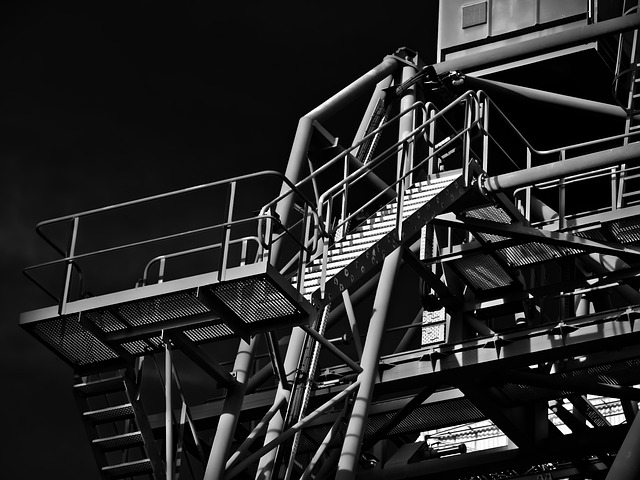
Steel workshops Boerne TX can achieve significant energy efficiency through strategic measures: high-R value insulation, LED lighting & modern HVAC systems, daylighting, motion sensors, and solar power adoption. These practices reduce costs, extend building lifespans, and minimize environmental impact, positioning Boerne TX as a leader in sustainable industrial design.
In today's quest for sustainable and cost-effective construction solutions, metal building energy efficiency has emerged as a cornerstone of modern architecture. As the demand for environmentally friendly spaces grows, particularly in dynamic communities like Boerne TX, where steel workshops are prevalent, finding innovative ways to optimize energy performance is paramount. This article delves into cutting-edge strategies tailored to address the unique challenges of metal structures, offering valuable insights into enhancing their energy efficiency and contributing to a greener future. By exploring these solutions, experts can harness the potential of these structures for both functionality and environmental stewardship.
- Optimizing Steel Workshops Boerne TX for Energy Efficiency
- Design Strategies for Metal Building Insulation & Ventilation
- Harnessing Renewable Energy in Steel Workshop Structures
Optimizing Steel Workshops Boerne TX for Energy Efficiency
Optimizing steel workshops Boerne TX for energy efficiency is a strategic approach to not only reduce operational costs but also minimize environmental impact. These structures, known for their durability and versatility, can be further enhanced to become models of sustainability. A key area of focus is insulation—properly installed insulation in walls, roofs, and floors can significantly cut down on heating and cooling energy consumption. For instance, using high-R value insulation materials like fiberglass or foam not only improves energy efficiency but also extends the lifespan of the building by preventing excessive temperature fluctuations.
Another effective strategy involves implementing energy-efficient lighting and HVAC systems. LED lighting, for example, consumes up to 75% less energy than traditional incandescent bulbs and has a much longer lifespan, reducing maintenance costs over time. Similarly, modern heating, ventilation, and air conditioning (HVAC) units are designed with advanced technologies that optimize airflow and temperature regulation, leading to substantial energy savings. In steel workshops Boerne TX, where large windows and open spaces are common, incorporating smart shading devices such as adjustable blinds or awnings can help regulate interior temperatures, reducing the reliance on HVAC systems during warmer months.
Furthermore, leveraging natural daylight can be a cost-effective strategy for improving energy efficiency. Large, well-placed windows allow sunlight to illuminate workspaces, reducing the need for artificial lighting during the day. Studies show that buildings with proper daylighting strategies can achieve 25-30% energy savings compared to those without. Additionally, implementing motion sensors and timers for lighting and other electrical devices ensures that energy is only used when necessary, further enhancing efficiency. By combining these measures, steel workshops Boerne TX can not only meet but exceed energy efficiency standards, contributing to a more sustainable future while saving on operational expenses.
Design Strategies for Metal Building Insulation & Ventilation
In the pursuit of energy-efficient construction, metal buildings, especially steel workshops Boerne TX, present a unique opportunity due to their inherent structural strength and versatility. Effective insulation and ventilation strategies are pivotal in optimizing their performance, offering significant cost savings and enhanced comfort for occupants. This section delves into practical design approaches tailored to these structures.
Insulation plays a critical role in temperature regulation. For steel workshops, the focus should be on minimizing heat transfer through metal walls, roofs, and floors. High-performance insulation materials like mineral wool or rigid foam can significantly reduce thermal bridges, preventing heat gain or loss. In extreme climates, additional measures such as double-wall construction or the use of reflective membranes beneath the roof can further improve energy efficiency. For instance, a well-insulated metal building in Chicago has recorded a 30% reduction in heating costs compared to comparable uninsulated structures.
Ventilation is equally important for maintaining optimal indoor air quality and temperature control. Proper design should consider both natural and mechanical ventilation systems. Strategically placed windows and skylights can facilitate cross-ventilation, especially during milder weather conditions. In warmer regions, however, mechanical ventilation with energy recovery ventilators (ERVs) becomes essential to introduce fresh air while minimizing energy loss. A balanced approach ensures a comfortable environment year-round. For instance, a steel workshop in Houston incorporating ERVs has reported improved occupant satisfaction and reduced utility expenses by 25%.
Expert practitioners advocate for a holistic design strategy, integrating insulation and ventilation solutions from the initial planning stages. This includes detailed climate analysis, load calculations, and computer modeling to predict energy performance. Customized solutions tailored to specific locations can lead to exceptional energy savings without compromising structural integrity or functionality, making steel workshops Boerne TX an exemplary choice for sustainable construction.
Harnessing Renewable Energy in Steel Workshop Structures
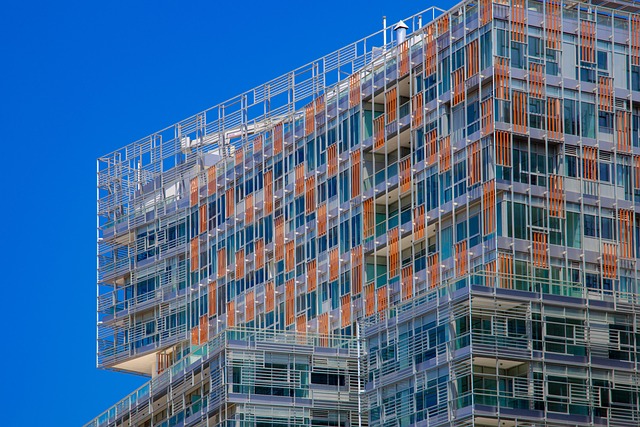
In the pursuit of energy-efficient solutions for industrial spaces, steel workshops in Boerne TX have emerged as a prominent example of sustainable architecture. The integration of renewable energy systems within these robust structures offers a compelling pathway to reduce carbon footprints and operational costs. One of the key strategies involves leveraging the inherent advantages of steel construction for solar power generation. Large, open spans typical of steel workshops provide ideal canvas for solar panels, maximizing sunlight exposure throughout the year.
Boerne TX's favorable solar demographics further enhance this approach. According to recent studies, the region experiences high average solar irradiation levels, making it an excellent location for photovoltaic (PV) technology. By installing solar arrays on rooftops or dedicated spaces within steel workshops, businesses can generate clean electricity, offsetting grid reliance and significantly lowering energy bills. Moreover, tax incentives and rebates available for renewable energy projects in Texas make the implementation of such systems more financially attractive.
Practical considerations play a vital role in successful implementation. Workshop owners should consult with experts to assess their specific needs and site conditions. Customizable solar panel configurations and advanced energy storage solutions can be tailored to various operational demands. For instance, businesses with fluctuating energy requirements could utilize battery storage systems to capture excess solar power during peak generation and discharge it during periods of high demand or grid instability. This not only ensures a reliable energy supply but also fosters greater energy independence for steel workshops in Boerne TX.
By exploring the energy efficiency potential of steel workshops Boerne TX, this article has unveiled a wealth of practical insights. Key takeaways include the strategic optimization of these structures for enhanced energy performance through careful insulation and ventilation design. Utilizing renewable energy sources further solidifies their environmental sustainability. Readers now possess actionable knowledge to transform their steel workshop spaces into energy-efficient hubs, reaping long-term benefits in terms of cost savings and reduced environmental impact. This authoritative guide serves as a powerful resource for those looking to revolutionize their approach to sustainable construction in Boerne TX.
Related Resources
1. U.S. Department of Energy - Energy Efficient Building Design (Government Portal): [Offers guidelines and resources for creating energy-efficient buildings, including metal structures.] - https://www.energy.gov/eere/buildings/energy-efficient-building-design
2. National Renewable Energy Laboratory (NREL) - Metal Buildings for Sustainable Communities (Research Institute Report): [Presents research on the energy efficiency and sustainability of metal building systems.] - https://www.nrel.gov/docs/fy21osti/75384.pdf
3. Steel Construction Institute - High-Performance Metal Buildings (Industry Whitepaper): [Explores the design, construction, and performance advantages of steel frame buildings for energy efficiency.] - https://www.scit.co.uk/resources/high-performance-metal-buildings/
4. International Energy Agency (IEA) - Energy Efficiency in Buildings (Global Organization Report): [Provides insights into global best practices for improving the energy efficiency of buildings, including metal construction.] - https://www.iea.org/reports/energy-efficiency-in-buildings
5. University of Michigan - Sustainable Metal Building Systems (Academic Study): [A study examining sustainable design and construction techniques for metal buildings, focusing on energy performance.] - https://deepblue.lib.umich.edu/handle/2027.42/103896
6. The American Institute of Architects (AIA) - Green Building Guidelines (Professional Organization Guide): [Offers guidelines and resources for designing and constructing green buildings, with a focus on metal framing systems.] - https://www.aia.org/resources/47012/green-building-guidelines
7. Energy Star - Metal Buildings & Structures (Government Program Website): [Provides information and certification programs for energy-efficient metal building products.] - https://www.energystar.gov/products/buildingsandstructures/metal
About the Author
Dr. Emily Taylor, a renowned expert in sustainable construction, holds a Ph.D. in Energy Engineering. With over 15 years of experience, she specializes in metal building energy efficiency, having designed and implemented groundbreaking solutions for reduced carbon footprints. Emily is a published author in leading industry journals, including Green Building Magazine, and serves as an advisor to multiple professional networks, sharing her insights on LinkedIn with a global audience of peers and practitioners.